A boat maintenance service should make ownership feel lighter, not add one more thing to manage between work, family, and a weather window that finally lines up on Saturday. If your boat lives in Marco Island, Naples, or Bonita Springs, the real question is not whether maintenance matters. It is whether your service setup actually keeps your boat ready when you want to use it.
What “Boat Maintenance Service” Really Means When You Don’t Want a Second Job
In plain English, boat maintenance service is the recurring care that keeps your boat clean, mechanically sound, safe, and ready to leave the dock without drama. That includes inspections, routine cleaning, scheduled engine service, system checks, minor repairs, and coordinating the bigger jobs before they turn into emergencies.
For a 25 to 55 foot recreational boat, that work adds up fast. Salt air gets into wiring. Sun bakes vinyl and seals. A battery charger that seemed fine last month suddenly is not. Owning a boat in Southwest Florida is a little like owning a waterfront house that also has engines and pumps attached to it.
Why this matters more for busy owners
Here’s the thing: the biggest benefit is not just that something gets fixed. It is that your weekends stop getting eaten by service calls, missed appointments, and canceled plans.
Preventive service is cheaper than scramble-mode repair. That is especially true when marine labor rates often run high and parts delays can stretch a small problem into lost boating time. If you already know you do not want a second job managing ownership, recurring care is the smarter buy.
The Services Worth Paying for First
Not every maintenance item carries the same weight. Some protect appearance. Some protect reliability. Some save your season.
Routine washdowns, detailing, and hull care
In this climate, regular washdowns are not cosmetic fluff. Salt left on gelcoat, metal, glass, and upholstery speeds up wear. Hull checks, bottom cleaning, waxing, and protective coatings help your boat age better in sun and saltwater.
This also protects resale. A clean boat signals care, but more importantly, it slows the kind of surface deterioration that gets expensive later. Research even shows hull cleaning demand sits at the center of the maintenance market, which makes sense when you see what Florida water does over time.
Engine, generator, and fluid service
This is where reliability lives. Oil changes, filters, belts, impellers, battery checks, cooling system inspections, and generator service are the boring jobs that keep a fun day from becoming a tow.
A service interval simply means timing based on engine hours or calendar dates, whichever comes first. That last part matters. Even if your boat “ran fine last time,” fluids age, rubber dries out, and corrosion keeps moving.
Electrical, safety, and onboard systems checks
Shore power, pumps, bilge systems, air conditioning, electronics, battery charging, lights, and safety gear all need regular attention. “Electrical faults” sounds technical, but it usually just means hidden power problems that leave something dead when you are ready to head out.
If you want a deeper sense of what tends to fail first, it helps to know the issues that should never be ignored, especially on boats that sit between outings.
Dockside troubleshooting and repair coordination
One point of contact matters more than most owners expect. When something goes wrong, you do not want to chase a mechanic, an electrician, and a marina office separately.
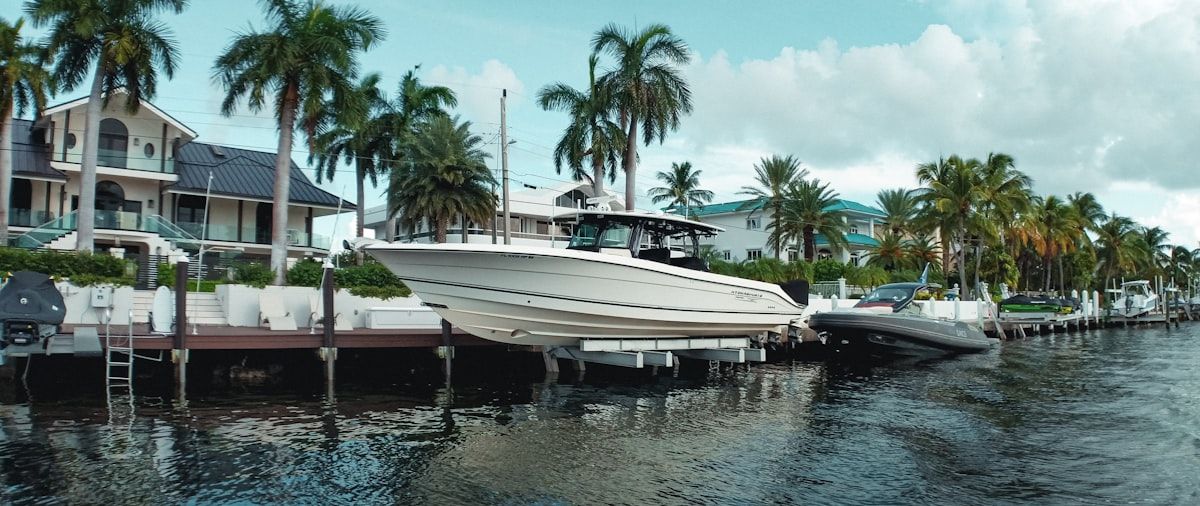
That is why dockside service is so appealing. In this area, mobile dockside repair can save hauling time and make diagnosis faster, especially for problems that can be handled right at your lift, slip, or home dock.
How to Choose the Right Boat Maintenance Service
A polished website is nice. A clean process is better.
Look for a clear maintenance plan, not random one-off fixes
A good provider should be able to show you what happens monthly, quarterly, seasonally, and annually. If the whole plan is “call when something breaks,” that is not really maintenance. That is reaction.
The best fit makes the next step obvious. If you want more oversight than simple repairs, it is worth understanding when full ownership support starts making sense.
Ask how updates, approvals, and scheduling actually work
Busy owners need communication that does not waste time. Text updates, photos, digital invoices, clear approval thresholds, and scheduling around your use matter a lot more than fancy language.
Remote diagnostics and digital scheduling are becoming more common, and honestly, they help. If a provider can tell you what was checked, what was found, and what needs approval without three back-and-forth calls, that is real value.
Check local reputation and marina familiarity
Local knowledge saves time in ways that are easy to miss until you need it. Access rules, haul-out timing, yard schedules, and marina relationships all affect how smoothly service happens.
That is one reason online reviews influence 78% of repair decisions. In markets like Naples Bay and Marco marinas, repeat business usually tells you more than polished marketing.
Make sure the provider can manage older boats and hidden issues
A shiny boat can hide corroded terminals, old wiring, deferred engine service, or neglected pumps. That matters even more if your boat is more than a few years old or was bought used.
A quick visual pass is not enough. If you are comparing options, this is also where understanding how to vet a local mechanic pays off.
The Maintenance Jobs You Really Shouldn’t Put Off
Some tasks can wait a week. Some should not.
Corrosion, leaks, and bilge issues
Unexplained bilge water, rust staining, wet compartments, and active corrosion deserve quick attention. Saltwater damage spreads quietly while your boat sits, and leaks rarely fix themselves.
Battery, charging, and shore power problems
Electrical issues love bad timing. Dead batteries, charger faults, loose connections, and shore power problems often show up right when you are loading coolers for a Naples Bay departure.
If something feels urgent, it usually is. A good rule is simple: if power is inconsistent, treat it like one of the dockside problems that need fast attention.
Safety gear, fire systems, and insurance-related checks
Expired flares, weak extinguishers, neglected engine-room fire systems, and overdue inspections are not small details. Maintenance is often about risk management as much as convenience, especially when coverage or renewal paperwork is involved.
Survey findings before buying, selling, or renewing insurance
A marine survey is a professional condition check used for purchase decisions, insurance, and maintenance planning. Not every finding is a deal-breaker. But ignoring a survey gets expensive fast.
Older boats especially need context, and recent surveys for insurance are becoming more common. The right move is to sort findings by urgency, not panic over every line item.
What Boat Maintenance Service Costs , and Where the Money Actually Goes
Boat service costs feel high because skilled labor is high, and because marine systems are less forgiving than car systems.
Typical pricing factors
Cost usually tracks with boat size, engine count, age, service frequency, bottom condition, and system complexity. Dockside work may cost differently than yard-based work, and older boats tend to uncover more hidden labor.
A rough planning rule still holds: annual maintenance often lands around 10 percent of purchase price. That is not a promise, just a useful mindset.
Service plans vs. pay-as-you-go calls
Pay-as-you-go works if your boat is used lightly and you do not mind managing details yourself. But if your time is tight, recurring service plans usually work better because they reduce decision fatigue and catch problems earlier.
When spending more saves money
Regular engine service, battery care, hull protection, and fast follow-up on survey findings usually cost less than neglected systems and emergency yard days. During peak season, downtime is the most expensive part because it steals the reason you own the boat in the first place.
Common Mistakes That Turn Boat Ownership Into a Hassle
A few habits create most of the stress.
Waiting for something to fail
Reactive ownership gets expensive quickly. Between labor, parts, and yard backlog, a small issue can snowball.
Choosing based on price alone
Cheap service can end up costing more if communication is poor, items get missed, and nobody owns the whole picture.
Ignoring the calendar because the boat “ran fine last time”
Time-based maintenance still matters, even with light use. Heat, humidity, salt, and inactivity are hard on boats in Southwest Florida.
Skipping records and documentation
Service logs, invoices, and survey reports make resale easier, insurance cleaner, and future troubleshooting faster.
Best Service Setup for Different Kinds of Owners
The right setup depends on how you use the boat.
If you use your boat most weekends
A recurring plan with washdowns, pre-departure checks, and fast troubleshooting makes the most sense. Your free time shows up in small windows, so readiness matters more than saving a little on each visit.
If your boat sits for stretches
Battery management, moisture control, systems cycling, bottom care, and scheduled inspections deserve more attention. Sitting idle is harder on boats than many owners expect.
If you just bought a used boat
Start with a survey review, fresh fluids, safety checks, corrosion inspection, and catch-up maintenance. That resets the clock and removes a lot of guesswork.
If you want near hands-off ownership
A concierge-style setup is the right fit: one contact managing routine service, yard visits, vendors, updates, and seasonal planning. Try one simple thing before you commit to anything bigger: ask for a written 12-month maintenance plan for your boat. If that plan feels clear, ownership usually starts feeling easier too.
Frequently Asked Questions
How often should a boat maintenance service visit your boat?
For most boats in this size range, monthly service is a strong baseline, with extra visits around heavy use, seasonal transitions, or known issues. Engine and generator work follows hours or calendar dates, whichever comes first.
Is a maintenance plan better than calling only when something breaks?
Yes, if your time is limited. A plan catches small issues earlier, keeps records organized, and reduces the odds of losing a weekend to a preventable problem.
Can dockside service handle most maintenance needs?
Often, yes. Cleaning, inspections, fluid service, battery work, diagnostics, and many repairs can be handled dockside. Larger structural jobs or haul-out work still need a yard.
Do you need a survey if you already own the boat?
Not always, but surveys are useful beyond buying. They help with insurance, resale prep, and long-term maintenance planning, especially on older boats.
What matters more, appearance or mechanical service?
Mechanical reliability and safety come first, but appearance still matters because regular cleaning and protection slow wear and help preserve resale value.
What is the biggest sign your current service setup is not working?
If you are still chasing updates, reacting to breakdowns, and wondering whether basic tasks were done, your service is not giving you the main thing you are paying for, which is peace of mind.
Related: Visit our boat maintenance page for pricing and scheduling details.