
Boat ownership costs are the full price of keeping your boat ready to use, not just the number on the listing. That’s the part that catches people off guard. Buying the boat feels like the big decision, but the real surprise shows up later in slip bills, fuel receipts, service calls, and all the little charges that hit after a sunny Saturday run out of Naples.
Why the price tag is the easy part
The purchase price gets all the attention because it’s the biggest single number. But for a 25 to 55 foot recreational boat around Marco Island, Naples, or Bonita Springs, that’s usually the easy part.
The harder part is everything that follows. One month it’s the marina invoice. Next month it’s insurance renewal. Then a battery dies, the bottom needs cleaning, the canvas starts looking tired, and a quick fuel stop turns into a few hundred dollars without much effort. Owning a boat is a little like owning a waterfront house that also burns fuel and vibrates itself loose over time.
If your schedule is packed, the ownership burden gets heavier fast. Miss one service window, delay one repair, and a simple maintenance item can turn into a much bigger bill.
What “boat ownership costs” really means
Boat ownership costs mean the full yearly cost of keeping your boat usable, legal, protected, and ready to go. Not just buying it. Not just fueling it. Everything.
That includes the obvious stuff, like insurance and dockage, plus the less obvious stuff, like registration, detailing, haul-outs, pump replacements, and the random service call that happens the week before you planned to use the boat.
The two buckets: upfront costs vs. ongoing costs
Upfront costs happen around the purchase. Think sales tax, title or documentation fees, registration, a pre-purchase survey, and any immediate repairs you agree to handle after closing.
Ongoing costs are the ones that keep showing up. Storage, slip fees, insurance, routine maintenance, cleaning, fuel, repairs, and seasonal prep all live here. This is the bucket most owners underestimate, because the charges arrive in smaller pieces. But over a year, this is often the number that matters more.
If you want a clearer picture of the service side alone, it helps to look at a breakdown of what owners actually spend year to year.
What changes your number the fastest
Size moves the number first. A 50-footer simply costs more to store, insure, clean, fuel, and repair than a 28-footer. Age matters too. Used boats can save you a lot upfront, but older systems usually want more attention.
Engine setup changes things quickly as well. Twin outboards, inboards, diesels, generators, gyro stabilizers, big electronics packages, all of it adds complexity, and complexity costs money. Then there’s usage. A boat that runs every weekend from Naples to Keewaydin will eat more fuel and service than one that leaves the dock twice a month.
Where the boat stays matters more than most people expect. Premium waterfront space in Marco Island or Naples isn’t priced like inland storage. And if you don’t want to coordinate all the details yourself, paying for help adds cost, though honestly it often saves money elsewhere.
The expenses owners forget until the bills start landing
This is where the real budget takes shape. Not in the brochure, not in the sea trial, but in the line items that keep the boat legal, safe, and usable.
Taxes, registration, and purchase-day fees
Florida sales tax on the purchase is a real number, and it lands immediately. Then come registration and title or documentation fees. In Florida, registration fees range depending on boat class and size, so it’s not a flat afterthought.
The pre-purchase survey is another cost people try to minimize. That’s a mistake. Surveyors often charge by the foot, with research commonly putting the range around $20 per foot on the lower end and $40 to $100 per foot for more involved work. On a bigger boat, that can feel annoying right up until the survey finds moisture, corrosion, or engine issues that save you far more than the survey cost.
Dockage, dry storage, and hurricane reality
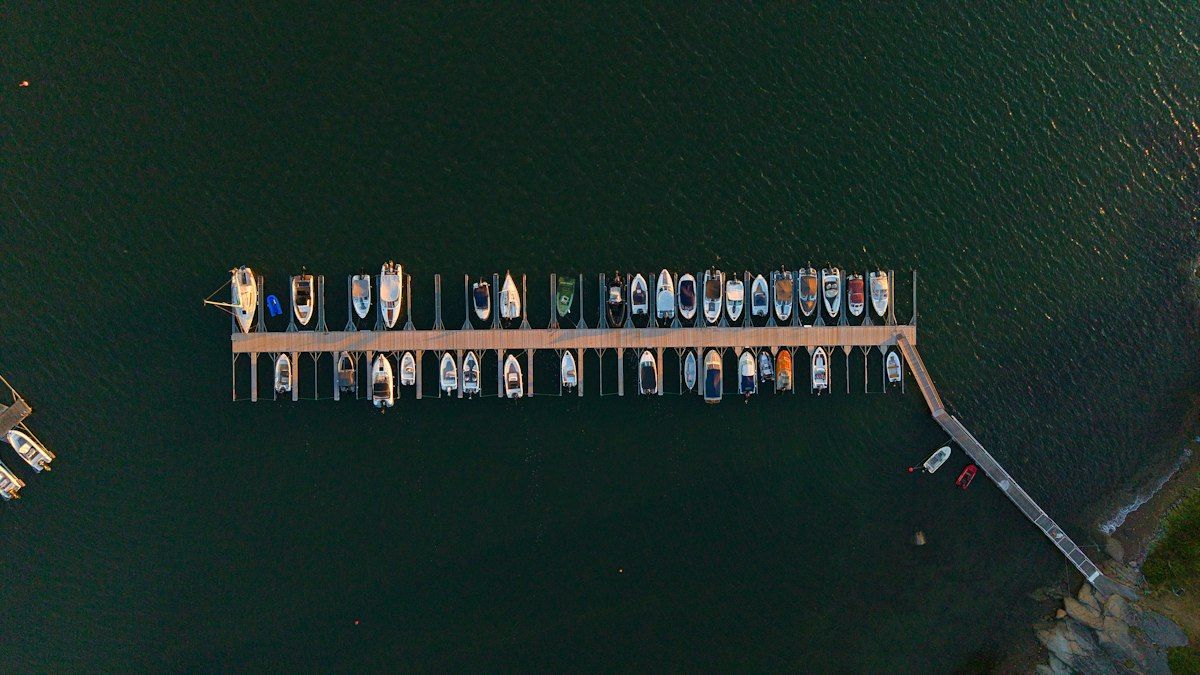
Storage can become one of the biggest checks you write all year. Slip rates, dry stack pricing, trailer storage, lift access, utility charges, haul-outs, and launch fees vary a lot, but none of them are imaginary.
Research shows marina slips often run $7 to $32 per foot per month, and dry stack can climb higher depending on location and service level. Around Marco Island and Naples, the boat isn’t just floating, it’s sitting in one of the pricier boating ZIP codes around.
Then there’s hurricane season. If a storm tracks your way, moving the boat, hauling it, tying it down, or securing extra lines and fenders can add surprise costs in a hurry. That’s not a once-in-a-lifetime scenario here. It’s part of ownership reality.
Insurance that actually fits the boat
Insurance isn’t just paperwork for the file drawer. It’s what stands between a bad day and a very expensive one. Coverage can include hull damage, liability, theft, equipment, and sometimes agreed value protection, depending on the policy.
Florida pricing can run higher because boats are used year-round and storm exposure is part of the risk. One Florida source put the average policy around $603 in Florida, though larger recreational boats in coastal marinas can be well above that. Your premium usually moves with value, size, speed, location, hurricane exposure, and claims history. Lenders and marinas may also require specific coverage limits.
Maintenance, detailing, and the stuff that never stops
This is the category that never really takes a month off. Engine service, bottom cleaning, washdowns, waxing, zincs, batteries, pumps, air conditioning checks, canvas repairs, electronics glitches, and little system problems all stack up.
A common rule of thumb is to budget around 10 percent of purchase price per year for maintenance on many used boats, while newer boats may land lower. That’s not perfect math, but it’s a useful reality check. Skip enough of this and you don’t save money, you just postpone the bill.
If you like handling some items yourself, it helps to know which jobs make sense to tackle on your own and which ones are better left to a tech.
Fuel, pump-outs, and day-of-use spending
Fuel gets all the attention because it’s easy to see. But day-of-use spending is broader than that. Oil, bait, ice, provisions, pump-out fees, dockhands, and marina fuel premiums all belong in the real cost of a day on the water.
The catch is that boat fuel spending rises fast with distance and speed. A slightly longer run, a little more throttle, or an extra stop can change the day’s cost by more than expected. A casual trip from Naples down toward Keewaydin and back can feel simple until you look at the receipt pile that night.
The hidden costs that show up later
The honeymoon phase hides a lot. Then the small stuff starts surfacing.
Repairs vs. preventive service
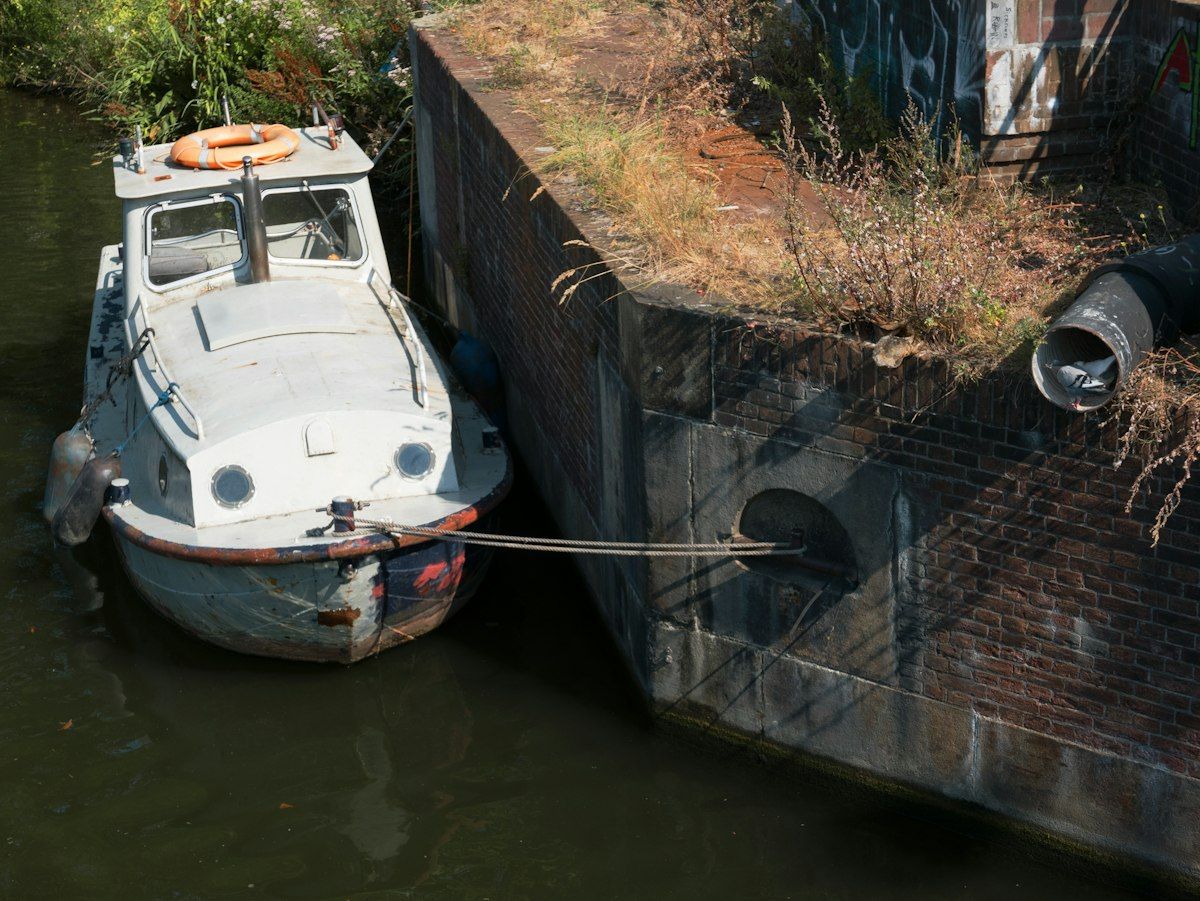
Skipping maintenance costs more, period. A neglected impeller turns into an overheating problem. Weak batteries become a no-start call. Corrosion spreads quietly. A tired bilge pump works fine until the day it doesn’t.
That’s why preventive service matters. Some industry guidance says routine upkeep can cut unplanned repair costs by 15 percent to 25 percent. More importantly, it protects your weekends. Nobody buys a boat to spend Saturday waiting at the dock for a mechanic.
Upgrades, replacements, and “while You’re at it” work
A lot of spending happens because one project leads to another. You replace a chartplotter, then notice outdated transducers. You fix the canvas, then the upholstery suddenly looks rough. The boat is already hauled, so now becomes the perfect time for bottom paint, trim tab work, or replacing through-hull hardware.
This is how “optional” upgrades become real ownership costs. Electronics, flooring, safety gear, tender accessories, lighting, and speakers all feel separate until they show up on the same invoice.
Depreciation and resale prep
Depreciation doesn’t arrive as a bill, but it still costs you. Boats lose value over time, and newer boats can drop quickly in the early years.
Condition changes the resale number more than many owners expect. Clean records, timely repairs, fresh service, and a boat that looks cared for all help buyer confidence. If you ever plan to sell, today’s maintenance habits become tomorrow’s negotiating power.
What boat ownership can look like around Naples, Marco island, and Bonita springs
Owning locally comes with a different kind of math. National averages only go so far when your boat lives in a high-demand coastal market.
Why Southwest Florida makes convenience expensive
Southwest Florida is great for boating and pricey for boating. That’s the deal. Saltwater wear happens year-round, dockage is premium, seasonal demand stays strong, and storm planning is part of the calendar whether you like it or not.
Add in the lifestyle factor and costs climb further. If you want the boat washed, fueled, stocked, checked, and ready to leave the dock on short notice, that convenience costs money. But it also buys time, and for a lot of owners around Naples and Marco Island, time is the scarcer asset.
When paying for help saves you money
If your boat sits because ownership feels like another job, that’s a sign. Paying for management, service coordination, cleaning, fueling, transport, and storm prep can be worth it because missed maintenance gets expensive fast.
That’s where having someone handle the moving parts can make ownership smoother and less wasteful. A managed boat is more likely to stay on schedule, catch small issues early, and be ready when you actually want to use it.
How to budget for boat ownership without getting blindsided
A decent budget doesn’t need to be fancy. It just needs to be honest.
A simple annual budget framework
Think in three buckets: fixed costs, variable use costs, and repair reserve.
Fixed costs are dockage or storage, insurance, registration, and scheduled cleaning. Variable use costs are fuel, pump-outs, bait, ice, and trip-related spending. Then keep a repair reserve for the stuff that shows up without warning, because it will.
For many boats in this size range, the smartest move is to build the budget before the season starts, not halfway through it.
Smart ways to keep costs from snowballing
Get a survey before buying. Keep service records. Book preventive maintenance on schedule. Compare storage options before renewing by habit. Don’t wait until something breaks offshore to decide a part mattered after all.
Small discipline beats big drama. That’s true with boats more than almost anything.
Frequently asked questions
How much should you budget each year for boat ownership costs?
For many used boats, a rough planning number is around 10 percent of purchase price annually for maintenance and general upkeep, then add dockage, insurance, fuel, and storage. Around Naples, Marco Island, and Bonita Springs, premium dockage and service access can push the total higher.
Is a used boat really cheaper to own?
Usually cheaper to buy, not always cheaper to keep. An older boat can save you money upfront and hand it right back through repairs, aging systems, and catch-up maintenance.
What boat ownership costs are easiest to miss?
Storage, haul-outs, detailing, batteries, pumps, canvas work, electronics issues, pump-outs, and storm prep are easy to underestimate. So is the cost of lost time when the boat isn’t ready to go.
Is professional boat management worth it for a 25 to 55 foot boat in Southwest Florida?
If your time is tight, yes, it often is. The value isn’t just convenience. It’s fewer missed service intervals, fewer emergency calls, and less scrambling when weather or repair issues pop up.
What changes your annual costs the most?
Boat size, age, engine setup, usage, storage location, and saltwater exposure move the number fastest. A heavily used twin-engine boat in a premium slip will cost a lot more to run than a smaller boat stored more simply.
Before this season gets rolling, try one thing: pull up every recurring boat expense from last season and list it in one place. That simple exercise usually tells the truth faster than any guess.