Your boat is supposed to be the easy part of a Saturday, not the thing that steals Friday afternoon and Sunday evening too. That is why marine maintenance services start making sense faster than most owners expect, especially once your to-do list gets longer than your time on the water.
Why outsourcing boat maintenance usually starts paying off fast
A boat in the 25 to 55 foot range has enough systems, surfaces, and moving parts to turn “just a few quick checks” into a standing chore. One missed item can snowball. A little growth on the hull becomes sluggish performance. A weak battery becomes a no-start at the dock. A small cooling issue becomes a canceled run after a windy afternoon off Marco Island.
Here’s the simple rule: outsource the jobs that eat time, require special tools, or get expensive fast when neglected. That covers more than major repairs. It also includes recurring care that quietly drains your weekends.
For most owners around Marco Island, Naples, and Bonita Springs, the real value is not just labor. It is freedom from coordination, guessing, follow-up, and the low-grade stress of wondering what got missed.
Start with the jobs that cost you the most time, stress, or risk
If you are deciding what to hand off first, skip the idea that everything has to be outsourced at once. A smarter approach is to sort tasks into three buckets: recurring jobs that keep coming back, technical work with expensive consequences, and anything tied to safety or legal compliance.
Time-heavy tasks that keep coming back
Washdowns, detailing, routine checks, and scheduling service are classic examples. None of these are impossible. The problem is repetition.
Salt does not care that you were busy this week. Canvas still needs care. Bilges still need checking. Service intervals still arrive. These jobs pile up like yard work in summer, manageable once, annoying forever. If you resent losing half a weekend to rinsing, wiping, chasing mildew, and texting three different vendors, this is a strong sign to outsource early.
High-skill or high-consequence work
Mechanical, electrical, steering, fuel, and generator work belong near the top of the outsource list. Not because you are incapable, but because the downside is lopsided.
A loose interpretation of a wiring issue can lead to repeated failures. A missed cooling problem can turn into overheating. Fuel system mistakes are in a different category entirely. In marine ownership, “small issue” and “big invoice” are often only a few ignored symptoms apart.
Jobs that require hauling, diving, or specialized equipment
Some work is inconvenient by design. Bottom cleaning, zinc replacement, hull inspection, prop service, and underwater checks need access, gear, and experience. Buying equipment for occasional use rarely makes sense, and neither does turning a dock day into an awkward DIY dive project.
Research across the marine sector consistently points to underwater hull services as one of the clearest early outsourcing wins.
Compliance and safety items you do not want to guess on
Compliance sounds dry, but in plain English it means the work that keeps your boat legal, insurable, and ready to use. Fire suppression service, documentation support, extinguisher status, navigation lights, alarms, and safety gear checks all belong here.
These items are easy to ignore because they usually sit quietly in the background. Until they do not.
The first marine maintenance services to outsource
If your goal is to cut ownership burden quickly, a few services rise to the top for Southwest Florida boat owners.
Bottom cleaning and underwater hull service
This is usually the first no-brainer. Warm water around Naples and Bonita Springs grows things fast. Once marine growth builds up, your boat works harder, burns more fuel, and feels slower than it should. In rough terms, you pay for neglect every time you throttle up.
Professional hull care is not just cosmetic. It protects performance and can help avoid bigger issues tied to drag, corrosion, and prop condition. That matters because fuel-saving hull cleaning is one of the few maintenance items you can actually feel on the water.
Engine, generator, and mechanical service
Scheduled maintenance deserves a standing spot on your outsource list. Impellers, belts, fluids, filters, cooling system service, diagnostics, and generator care are not glamorous, but they are what keep a good boating day from ending before it starts.
Regular service protects uptime and resale value. It also catches problems while they are still boring, which is exactly when you want them found. If you want a better sense of what can be handled dockside versus in a shop, what can be done right at your dock is worth understanding before something fails.
Electrical troubleshooting and battery system care
Marine electrical work has a nasty habit of starting small and turning expensive. A charger issue can look like a dead battery. Corrosion can mimic random gremlins. Shore power problems can hide behind symptoms that seem unrelated, like weak pumps, dim lights, or electronics that reboot for no clear reason.
Battery banks, charging systems, pumps, wiring, and electronics belong with a specialist early in the process. In the broader maritime world, engine and propulsion maintenance remains a top priority because machinery issues drive downtime and repair costs. On a recreational boat, the same logic applies, just on a more personal scale.
Washdowns, detailing, and exterior protection
If appearance matters to you, this is money well spent. Salt quietly attacks finishes, stainless hardware, gelcoat, teak, canvas, and vinyl. By the time oxidation is obvious, restoring the finish costs more time and money than routine upkeep ever would.
Outsourcing washdowns and detailing is especially smart if your free time is the scarce thing. There is no prize for spending Saturday behind a hose and buffer when somebody else can keep the boat looking guest-ready and better protected.
Safety inspections and seasonal readiness checks
Pre-trip and seasonal checks prevent a lot of canceled days. Bilge pumps, seacocks, lights, extinguishers, alarms, life jackets, and basic system tests all fit here. Think of this as reliability service, not just safety service.
A maintenance partner that checks these items proactively saves you from discovering a problem at the exact moment you wanted to leave the dock.
What you can usually keep in your own hands
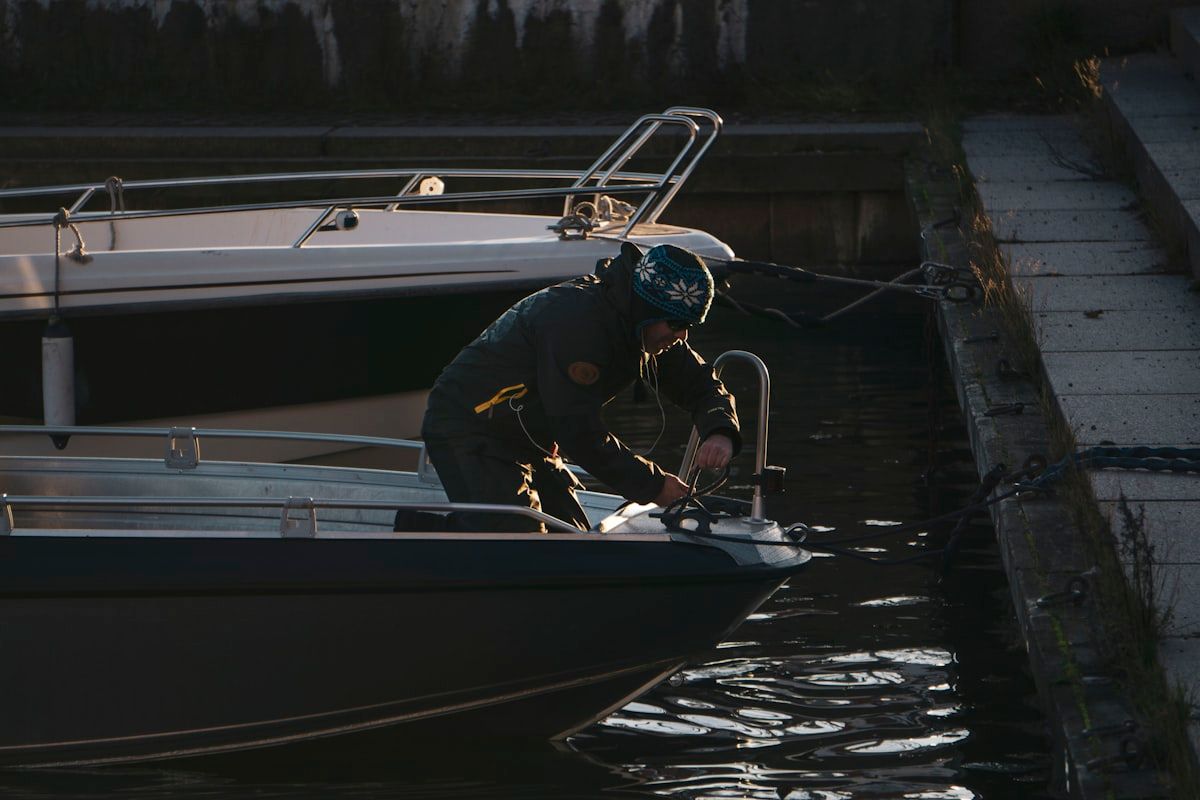
Outsourcing works best as a hybrid model, not an all-or-nothing decision. You do not need to become your own mechanic. But you should stay aware of your boat.
Quick visual checks before and after a trip
A few habits go a long way. Notice leaks. Check lines and fenders. Glance at fluid levels if accessible. Pay attention to new vibration, odd smells, warning lights, or anything that sounds different than usual.
These checks take minutes, and they help you catch changes early. If you want a cleaner rhythm for this kind of light oversight, a hands-off maintenance calendar can make ownership feel a lot less scattered.
Simple housekeeping that prevents bigger service calls
Wipe down surfaces, air out compartments, watch for mildew, and keep drains clear. That is not deep maintenance. It is basic prevention.
The trick is to keep this realistic. Five quiet minutes after a trip beats a big cleanup after three neglected weeks in humid weather.
Knowing when a small issue stops being a DIY issue
Some symptoms deserve a quick call, not another weekend of hoping. Persistent battery drain, repeated breaker trips, fuel smell, overheating, and vibration underway all cross the line fast.
That is where dockside diagnosis and repair becomes especially useful. Getting a trained set of eyes on the problem early is often the cheapest version of the repair.
How to choose the right marine maintenance services provider
Choosing a provider is not only about technical skill. If your time is limited, communication and consistency matter almost as much as the wrench work.
Look for strong communication and service coordination
You should not have to chase updates. Good service looks organized: scheduling that actually sticks, photos when something is found, digital reports, clear recommendations, and one point of contact.
That sounds simple, but honestly, it is what separates relief from another management headache. A provider that communicates well reduces the mental load, not just the task list.
Ask about certifications, insurance, and local experience
Marine systems are brand-specific and condition-specific. Ask about insurance coverage, technician training, and experience with the kinds of boats common in Marco Island, Naples, and Bonita Springs. Local knowledge matters because dock access, lift setups, salt exposure, and usage patterns are not the same everywhere.
It also helps to know whether on-site work is realistic for your situation. When dockside service is the better move often comes down to access, urgency, and the kind of repair involved.
Find out how they handle recurring care, not just emergency fixes
A repair vendor fixes what is broken. A maintenance partner helps keep things from breaking in the first place.
Ask whether recurring plans, service reminders, dockside access, and issue tracking are part of the offering. Preventive programs are becoming more common across maintenance industries, and condition-based maintenance is gaining ground because it helps reduce downtime instead of just reacting to failure.
Compare value by downtime avoided, not just hourly rate
The cheapest invoice can still cost more. Missed weekends, repeat visits, poor communication, and preventable breakdowns all count.
That is the real total cost of ownership. In marine maintenance, deferred upkeep tends to get expensive later. One industry source puts it bluntly: every dollar deferred can multiply into much larger costs down the road.
Common mistakes boat owners make when outsourcing too late
Late outsourcing usually follows a predictable pattern.
Waiting until something breaks
Reactive maintenance feels cheaper right up until the failure happens. Engines, batteries, electrical systems, and hull growth all punish delay. You save a little now, then lose a weekend, pay for emergency service, and often fix more than the original issue.
Hiring by lowest price alone
The cheapest option can become the longest headache. Poor communication, missed details, no follow-through, and redo work erase any initial savings fast.
Boat ownership is full of hidden costs already. You do not need one more.
Outsourcing everything without a simple plan
Random one-off service calls create gaps. Even if you hand off almost everything, your boat still needs a basic maintenance rhythm, a record of what was done, and a clear point of contact.
Without that, you are not outsourcing management. You are just scattering it.
A simple outsource-first plan for different kinds of owners
Your starting point depends on how you use the boat.
If your boat is mostly for weekend cruising
Outsource bottom care, mechanical service, washdowns, and pre-trip readiness. The goal is simple: when your free window opens, the boat is ready without a long prep session.
If your boat stays in the water year-round
Move underwater service, corrosion checks, battery care, and exterior protection to the top. Constant exposure raises the maintenance load, especially in Southwest Florida.
If you use your boat for entertaining
Detailing, heads, climate systems, galley basics, and reliability checks deserve attention first. Guest-ready means more than clean cushions. It means nothing awkward stops working halfway through the day.
If you are tired of managing vendors yourself
Look for bundled maintenance management or a single point of contact that schedules, tracks, and follows up across service categories. That is often the upgrade that makes ownership feel easy again.
Questions to ask before you hand over the maintenance list
A few questions can save you a lot of friction later.
What is included in routine service?
Ask for the checklist. You want to know what is standard, what counts as extra work, and how recommendations are handled when something new is found.
How often will your boat be checked?
Service intervals should match use, storage, and season. A boat sitting in the water year-round usually needs a different rhythm than one used occasionally and kept on a lift.
How will issues be documented and approved?
Look for photos, written estimates, text or email updates, and a clear approval process. If you are not standing at the dock, visibility matters.
What is the first service package worth trying?
A smart place to start is bottom service plus routine mechanical checks, or a monthly concierge-style maintenance plan. Try one bundle that removes the most friction first, then build from there.
Frequently Asked Questions
How often should marine maintenance services be scheduled?
That depends on how often your boat is used, whether it stays in the water, and how exposed it is to salt and sun. In Southwest Florida, bottom cleaning and routine exterior care usually need more frequent attention than occasional-use owners expect.
What should you outsource first on a boat?
Start with bottom cleaning, mechanical service, and recurring washdowns. Those three usually deliver the fastest payoff in time saved, reliability, and appearance.
Is mobile service enough for most maintenance needs?
For many common issues, yes. Diagnostics, scheduled engine service, battery and charging work, and plenty of repairs can be handled dockside. Haul-out work and certain larger repairs still need yard access.
Are marine maintenance services worth it if your boat seems fine?
Yes. Boats often look fine right up until a hidden issue becomes inconvenient or expensive. Preventive service is mostly about catching boring problems early, which is exactly the point.
How do you know if a provider is a good long-term fit?
Look for clear communication, consistent scheduling, local experience, insurance, and a system for documenting work. The right fit should make your life easier, not just fix isolated problems.
If you want one simple place to start, hand off the maintenance task you avoid most often. That is usually the first sign it belongs on somebody else’s list.
Related: See our boat maintenance page for routine service, or our vessel management page if you want it handled on an ongoing basis.