Boat repair costs almost never stop at the first number you hear. On a 25 to 55 foot boat in Marco Island, Naples, or Bonita Springs, the real bill usually includes the fix, the hunt for the cause, the labor to reach it, and the boating time you lose while it all gets sorted out.
What “Boat Repair Costs” Really Means on a 25- to 55-Foot Boat
On a boat this size, repair cost is not just parts plus an hourly rate. It is parts, labor, diagnostics, access, corrosion surprises, and sometimes haul-out, yard time, or return visits once the original issue exposes a second one. That is why two owners can hear “it’s probably a pump” and end up with invoices that are nowhere close.
Southwest Florida makes that gap wider. Heat, salt, humidity, and year-round use wear systems harder than many owners expect. In South Florida conditions, marine parts can last only 50% to 70% as long as they do in freshwater, which changes the math on everything from wiring to steering components.
Why the first estimate is usually just the starting point
A first estimate is often a best guess based on symptoms, not a full diagnosis. If your bilge pump keeps tripping, your engine is running hot, or your electronics cut out at random, the visible problem may be the last thing in the chain, not the first.
Here’s where bills grow: hidden corrosion, soaked wiring, frozen fasteners, cramped access behind liners or cabinetry, and the classic “while you’re in there” discovery. A bad hose clamp turns into a failed fitting. A dead charger leads to battery damage. A simple no-start becomes a fuel contamination issue. Boats are a little like old houses, once a wall gets opened, you finally see what has really been happening.
Why local saltwater changes the math
Saltwater around Naples and Marco does not politely age components. It attacks them. Pumps seize sooner, electrical terminals crust over, steering parts get stiff, and even well-installed gear can fail early if cleaning and corrosion control slip for a season.
Picture a boat coming back from a weekend near Keewaydin with a minor trim-tab issue. It feels small. Then a tech starts tracing power and finds corrosion in a connection that has been slowly spreading inside the harness. That is the part owners hate, but it is also the reality here.
The Repairs That Cost the Most, and the Ones That Sneak Up on You
Some repair categories predictably cost more because the parts are expensive, access is difficult, or failure tends to spread. Others sneak up because the original symptom looks harmless.
Engine and outboard/inboard repairs
Engine work is where “cheap DIY” gets expensive fast. Common cost drivers include cooling system failures, fuel system issues, lower unit damage, manifolds, turbos, injectors, and labor-heavy access on inboards and sterndrives. An overheating alarm could be an impeller, a thermostat, a blocked intake, or corrosion inside the cooling path. Until somebody traces the cause, swapping parts is guessing.
The catch is that diagnostics matter just as much as the wrench work. A blinking check-engine light or rough idle can be a small fix now, or a powerhead problem later if ignored. Delay is expensive.
Electrical and marine electronics
Electrical problems are notorious because the bad component is not always the failed component. Diagnostics, in plain English, means tracing the fault before anything gets replaced. On boats, that can involve batteries, chargers, pumps, switches, breakers, chartplotters, lighting circuits, and corroded grounds.
Poor DIY electrical work is also one of the easiest ways to create a second repair later. If you want a better sense of what can realistically be handled at your slip, this breakdown of what can be fixed on-site helps separate convenient jobs from the ones that need more involved service.
Hull, fiberglass, and water intrusion
Gelcoat chips are one thing. Soft spots, stress cracks, transom moisture, delamination, and bottom damage are another. The problem is that cosmetic-looking issues can hide structural repair underneath. A crack near a hatch might be nothing, or it might point to movement below the surface. A moisture stain inside a cabin could be a simple seal, or water that has been migrating for months.
This is one area where a cheap patch can become a very expensive do-over.
Plumbing, air conditioning, and onboard systems
Heads, freshwater pumps, seacocks, bilge pumps, generators, and marine AC systems tend to get framed as convenience items until they stop working on a Friday afternoon. Then they become lifestyle problems immediately. If your boat is meant for easy weekends and sunset runs, not floating repair projects, comfort systems matter more than owners like to admit.
Professional Repair vs DIY: Where You Actually Save Money
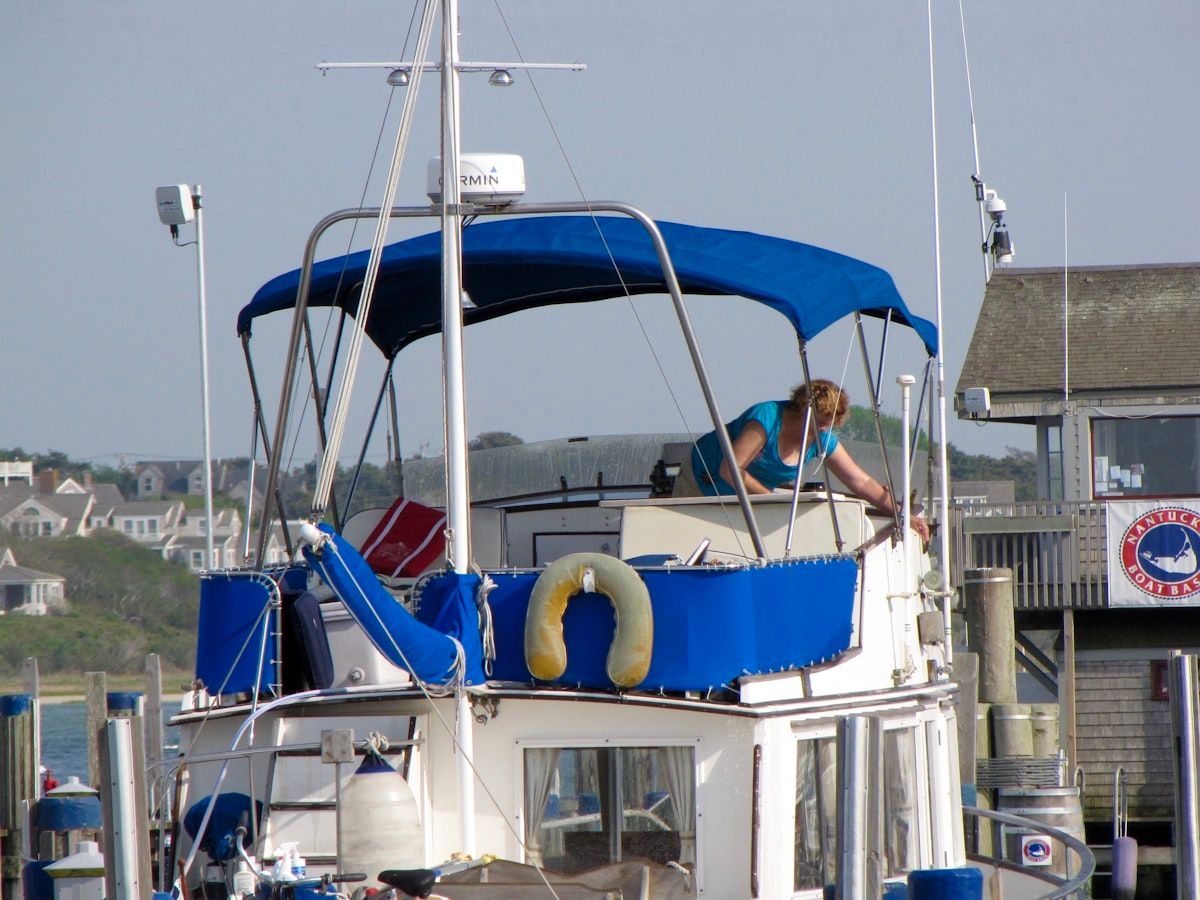
DIY only saves money on the right jobs. That is the honest answer.
If a task is predictable, easy to access, and easy to inspect afterward, doing it yourself can trim real cost. If the task involves safety, diagnosis, hidden damage, or insurance-sensitive systems, paying a pro is usually cheaper in total.
Jobs worth doing yourself
Low-risk DIY makes sense for battery swaps, basic corrosion control, simple hardware replacement, filter changes if you already stay on schedule, and small cosmetic touch-ups. Those jobs are straightforward, visible, and unlikely to create a major secondary failure if done carefully.
That said, the trick is not turning every free Saturday into unpaid yard labor. If routine upkeep keeps slipping, a practical service plan for hands-off ownership often saves more than a pile of half-finished maintenance notes on your phone.
Jobs that should stay with a pro
Electrical, fuel, steering, structural fiberglass, generators, marine AC, and major engine work belong with a pro. So does anything tied to seaworthiness, fire risk, or insurance compliance.
One wrong repair can create a bigger mechanical problem and a paper trail problem later. Insurers increasingly look closely at surveys and prior work, especially on older boats, and recent survey guidance notes many carriers want reports within 2 to 3 years.
When mobile or dockside service is the better middle ground
For many owners in Naples, Marco Island, and Bonita Springs, dockside service is the smartest option because it cuts out transport hassle, avoids some haul-out costs, and preserves boating time. Many diagnostics, maintenance items, and system repairs can be handled right where your boat sits. A local dockside repair option can make a lot more sense than moving a disabled boat across town just to confirm what failed.
The Hidden Costs Most Owners Miss
The invoice never tells the whole story. Your total repair cost includes logistics, disruption, and future consequences.
Haul-out, transport, and yard fees
Some jobs truly require a haul-out. Bottom damage, underwater fittings, certain fiberglass work, and some steering or running gear repairs cannot be dodged. Once the boat is out, you are often paying for the lift, blocking, yard space, and extra labor around the repair itself. That is why a cheaper labor quote can still cost more overall.
Downtime, missed weekends, and trip disruption
If your plan was to leave Naples Bay on Saturday morning, a repair delay is not just an inconvenience. It is the actual value you bought the boat for getting pushed aside by a maintenance problem. Owners with more money than time feel this harder than almost anybody else. A two-week parts delay in season is not abstract. It is lost use.
Insurance, survey, and resale consequences
Deferred maintenance and undocumented DIY work can follow your boat longer than you think. Surveyors regularly find hidden electrical issues, stress cracking, and poor prior repairs on clean-looking boats, and those findings can affect both insurance and resale. Since about 80% of boat sales are pre-owned, service history matters because most buyers are already shopping used and looking for reasons to negotiate.
How to Budget Smarter for Boat Repairs in Southwest Florida
A better repair budget starts by accepting that not every invoice is a weird one-time event. Boats have rhythms. Wear repeats.
A simple way to think about repair budgets
Think in three buckets: routine maintenance, expected wear-item repairs, and true surprises. Routine maintenance is your scheduled service and inspection work. Wear-item repairs are pumps, batteries, hoses, switches, impellers, and similar parts that age out. Surprises are the ugly ones, hidden leaks, wiring damage, failed modules, structural moisture.
If you plan for annual repair creep instead of pretending each bill is random bad luck, ownership gets a lot less irritating.
When it makes sense to repair, upgrade, or replace
Repair makes sense when the failure is isolated and the surrounding system is still sound. Upgrade makes sense when the same old setup keeps failing, parts are obsolete, or the original equipment is simply underbuilt for how you use the boat. Replacement becomes the smarter move when every repair stacks onto another weak point.
Sometimes spending more now is the cheaper path. Some marine electronics upgrades have been shown to pay back in 8 to 24 months through reliability and reduced service calls.
Questions to ask before approving any estimate
Before approving a repair, ask what failed, what caused it, what happens if you wait, what nearby components should be checked, whether it can be done dockside, and whether you are choosing a temporary fix or the real fix. That short pause can save a lot of money.
Common Mistakes That Turn a Manageable Repair Into an Expensive One
Here’s the thing: plenty of expensive boat repairs start as manageable ones.
Waiting too long on small symptoms
Slow cranking, weak pumps, moisture stains, odd vibration, intermittent alarms, and sticky steering rarely heal themselves. In boating, delay is one of the most expensive choices you can make. Small symptoms are often your discount window.
Approving repairs without understanding the root cause
Replacing parts without diagnosis is how owners pay twice. Symptom-first repair feels fast, but root-cause repair is what actually controls cost. If a charger failed because of a wiring issue, the new charger is only part of the story.
Treating every job like a DIY opportunity
Saving a few hundred dollars can feel satisfying right up until the fix affects safety, structural integrity, or insurability. For technical systems, the better strategy is often to outsource early and keep your own effort focused on easy, low-risk maintenance. That is exactly where outsourcing the right service tasks first tends to pay off.
Best Repair Approach by Use Case
The right repair decision depends less on the boat itself and more on how you use it.
If you use your boat for easy weekend cruising
Choose convenience first. Preventive service, dockside diagnostics, and fast-turn repairs protect your time better than bargain hunting. If a project is likely to steal three weekends, it is probably the wrong project.
If your boat is older and starting to stack repair bills
Get more disciplined. Prioritize systems in this order: safety, propulsion, electrical reliability, then comfort items. If the boat keeps generating overlapping repairs, a survey can help you decide whether you are fixing ownership pain or just extending it.
If you want lower costs without turning boating into a second job
Do a few safe DIY jobs well. Outsource the technical work. Keep records. Schedule inspections before peak season, not after the first breakdown. That balance usually beats either extreme, full DIY or full neglect.
One smart next step before your next repair
Pull out your last repair invoice and separate the true fix from the hidden extras: diagnostics, access time, haul-out, corroded add-ons, return visits. Once you see where the money actually went, your next decision gets much clearer.
Frequently Asked Questions
How much should you budget annually for boat repair costs?
For a 25 to 55 foot recreational boat in Southwest Florida, budget for routine maintenance, predictable wear items, and at least one surprise. The exact number varies by age, engine type, and usage, but assuming every year will be “just oil changes” is unrealistic.
Is DIY boat repair worth it?
Yes, but only for the right jobs. Battery swaps, simple hardware replacement, basic corrosion cleanup, and scheduled filter changes can save money. Electrical, fuel, steering, structural, and major engine work usually should not be DIY.
Why are boat repair costs higher in Southwest Florida?
Salt, heat, humidity, and year-round use speed up wear on pumps, wiring, fittings, cooling systems, and electronics. Local conditions simply shorten component life and increase the odds of corrosion-related repairs.
When does dockside service make more sense than a yard repair?
Dockside service makes sense when the problem can be diagnosed and repaired safely in place, especially for engine issues, electrical faults, maintenance, and many onboard systems. It is often the better choice when you want to avoid haul-out fees and lost time.
Can poor repairs affect insurance or resale?
Yes. Poorly documented work, visible DIY shortcuts, and unresolved survey issues can complicate insurance renewals, claims, and resale negotiations. Older boats get especially close scrutiny.
What is the biggest mistake that drives repair costs up?
Waiting. Small warnings like hard starts, moisture, weak pumps, or random alarms are often the cheapest moment to act. Ignore them, and the eventual repair usually gets larger, slower, and more expensive.