On site boat repair means a marine mechanic comes to your boat instead of making you bring the boat to a shop. If your vessel is sitting at a dock in Naples, on a lift in Marco Island, or in storage near Bonita Springs, that convenience can save a full boating day before it even starts.
What On-Site Boat Repair Actually Means
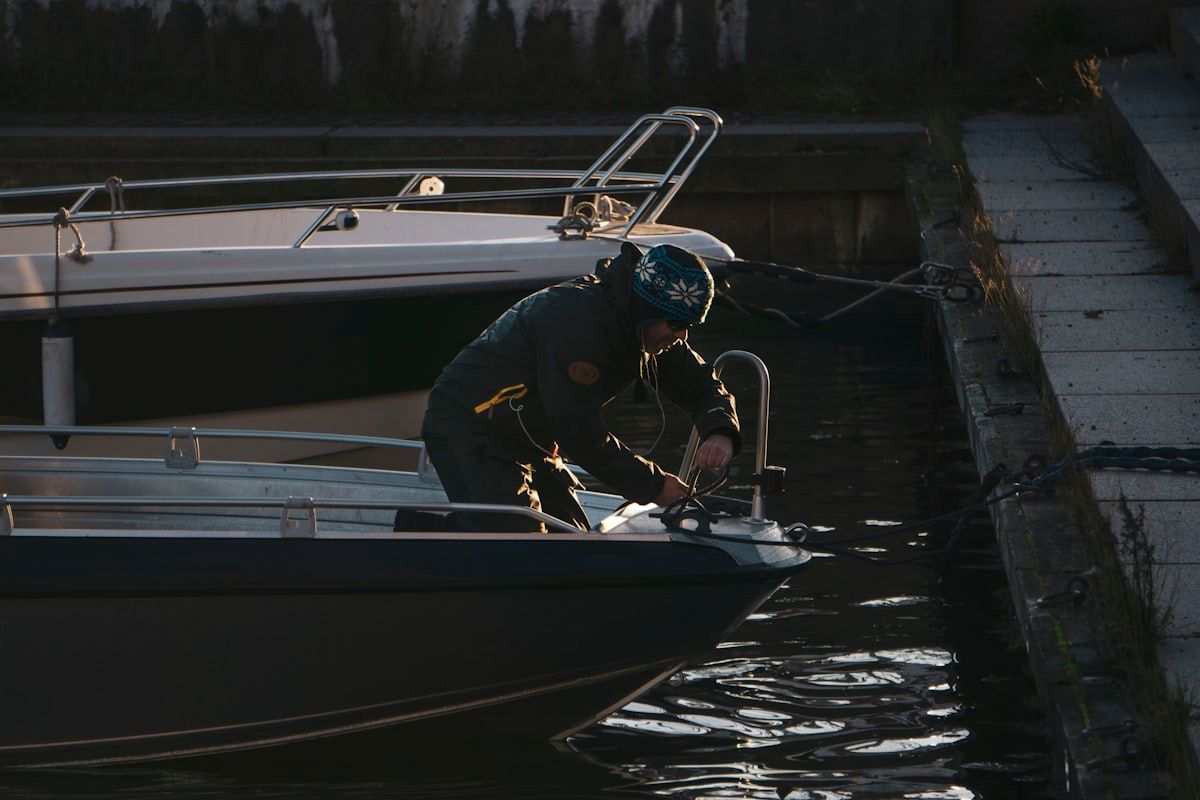
At the simplest level, on site boat repair is dockside or mobile service. A mechanic travels to your marina, home dock, yacht club, lift, or storage lot and handles the work there. Think of it like having a problem fixed in your driveway instead of turning it into an all-day errand across town.
For busy boat owners, that matters more than almost anything else. You skip the towing, trailering, haul-out coordination, and shop queue. In Southwest Florida, that can mean getting a service call done on Friday afternoon and still making your weekend run.
What Mobile Mechanics Usually Handle
Most routine maintenance and a surprising amount of troubleshooting can be handled right where your boat sits. In fact, routine maintenance trends are one reason mobile service keeps growing.
Engine service, tune-ups, and fluid changes
This is the bread and butter of mobile service. Oil changes, filter swaps, spark plugs, belts, impellers, fuel filters, and seasonal tune-ups are all well suited to dockside work. An impeller, if the term sounds overly technical, is just the small rubber pump part that keeps cooling water moving through the engine.
A lot of owners also use mobile service for the basics that tend to get postponed, right up until the boat runs hot or starts rough. If you want a better sense of the warning signs, engine issues that are easy to brush off usually start as small maintenance items.
Battery, charging, and electrical fixes
A “boat won’t start” call often turns out to be electrical, not mechanical. Dead batteries, charger problems, corroded terminals, bad battery switches, panel issues, bilge pump faults, lighting problems, and simple wiring failures are commonly found and fixed on-site.
Salt air does no favors here. If your boat has been sitting in Bonita Springs heat with moisture and corrosion building quietly, electrical gremlins can show up fast.
Diagnostics for starting, running, and warning-light problems
Sometimes the first win is not the full repair. It is the diagnosis.
Mobile mechanics often bring scan tools, meters, and pressure-testing gear to read fault codes and trace fuel, ignition, or sensor problems. That means rough idle, stalling, alarms, no-start conditions, and sudden loss of power can often be narrowed down during the first visit. That is the real value of a good dockside mechanic who can sort out faults on location.
Routine maintenance that saves a lost boating day
Pre-trip inspections, hose and clamp checks, steering inspection, battery testing, corrosion control, and generator service all fit the mobile model well. This is the “catch it now so Saturday is not ruined” category.
Preventive service matters more than most owners want to admit. Some marina research has found that preventative maintenance programs can reduce unexpected repair costs in a meaningful way. In plain English, small checks are cheaper than missed weekends.
What Usually Cannot Be Fixed at the Dock
Here is the practical line: some jobs need lifting equipment, a dry workspace, or shop tools that do not travel well.
Hull, fiberglass, paint, and major structural work
Bottom paint, major gelcoat repair, fiberglass damage, transom issues, and structural repairs usually move to a yard or shop. Anything below the waterline, or anything that needs sanding, curing, fairing, or finish work, is rarely a true dockside job.
Jobs that require haul-out or heavy equipment
Props, shafts, through-hulls, running gear, and underwater gear problems usually require the boat out of the water. Major repowers and some large generator replacements may also need crane access or extended teardown space. If you are weighing the difference, it helps to understand when a marina yard setup makes more sense.
Why On-Site Service Works So Well for Busy Boat Owners
If your time is tighter than your maintenance budget, this model fits. You get fewer logistics, faster turnaround, and less coordination with transport and yard schedules.
Less downtime, fewer moving parts, easier scheduling
You are not arranging a trailer, calling a haul-out yard, or waiting for the boat to move three places before anyone touches it. The mechanic shows up where the boat already lives. That is the whole appeal.
Better for ongoing maintenance than emergency-only calls
The catch is that mobile service is not just for breakdowns. It is often better for recurring maintenance, small punch-list items, battery drain issues, rough idle complaints, or electronics that cut in and out. If your boat ownership has started to feel like another part-time job, having the upkeep handled more proactively usually makes ownership a lot more enjoyable.
How to Know When to Call a Mobile Marine Mechanic
Call when the engine cranks slowly, the pumps act strange, the electronics flicker, the annual service is overdue, or the boat has simply sat too long in the heat. Those are ideal on-site calls. Many owners in this area also book a dockside visit before the first big run of the season.
Call a shop or yard sooner if you see hull damage, water intrusion, severe overheating, major vibration underway, or signs of grounding damage. Small problems get expensive fast on boats.
What to Have Ready Before the Appointment
A service call goes faster when you have the engine make and model, visible fault codes, recent service history, a few photos, and clear access to the boat. If you are booking with a mobile mechanic serving Naples and Marco Island, those details usually shorten diagnosis time and help get the right parts on board.
Frequently Asked Questions
Is mobile boat repair more expensive?
Not necessarily. Labor can be similar to shop rates, but you may avoid haul-out costs, transport fees, and lost time.
Can a mobile mechanic work on a 25- to 55-foot recreational boat?
Yes, in many cases. Job scope matters more than boat length, especially for engines, electrical systems, batteries, and routine service.
How often should you schedule dockside service?
Use engine hours, seasonal use, and storage time as your guide. If the boat sits for long stretches, regular checks matter even more.
Can on-site repair handle an engine that will not start?
Often, yes. Many no-start problems come from batteries, fuel delivery, safety switches, or ignition faults that can be diagnosed at the dock.
What is the simplest way to use mobile repair well?
Book it before a small issue turns into a yard job. A dockside inspection before your next trip out is usually the smartest place to start.
Related: See our mobile marine mechanic page for the full range of on-site repairs.