Dockside boat repair means fixing or diagnosing your boat right where it already sits, and for busy owners, that is usually the whole point. If your boat is tied up in Marco Island, Naples, or Bonita Springs, dockside boat repair is often the fastest way to get a 25 to 55 foot recreational boat back in shape without turning your weekend into a logistics project.
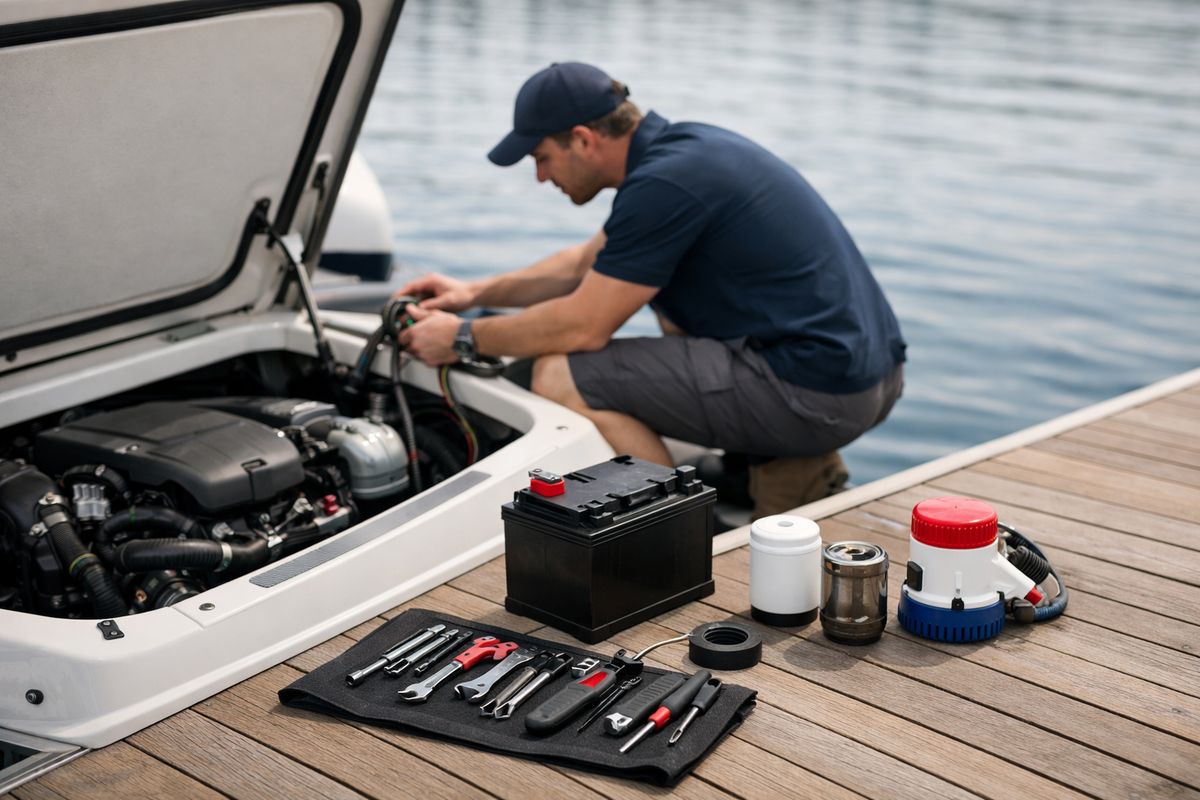
In plain English, dockside repair is service at your marina slip, private dock, waterfront home, or lift instead of at a repair yard. The engine gets checked where it stalled. The dead battery gets tested where you found it. The pump that quit gets diagnosed without arranging a tow first.
That convenience matters more than most owners expect. A disabled boat is hard enough. Adding trailer plans, haul-out scheduling, and transport fees makes a bad day longer. It is no surprise that
72% of boat owners prefer mobile repair over hauling to a yard.

What Usually Gets Fixed Without Hauling the Boat
Most dockside jobs are the annoying, day-killing problems that stop a boating weekend before it starts. The good news is that many of those problems are mechanical, electrical, fuel-related, or tied to onboard systems, which means they can often be handled on site. If you want a broader sense of
what mobile service can usually handle, this is the category.
Engine starting and running problems
An engine that will not start is one of the most common dockside calls. So is rough idle, stalling, warning alarms, or a boat that starts but has no real power once you leave idle.
At the dock, a technician can usually work through the obvious and not-so-obvious causes: ignition faults, weak spark, dirty filters, belt issues, sensor problems, and tune-up items that have quietly gotten worse over time. A lot of this comes down to solid diagnosis, not guessing, which is why
tracking down intermittent engine symptoms matters so much.
Battery, charging, and electrical issues
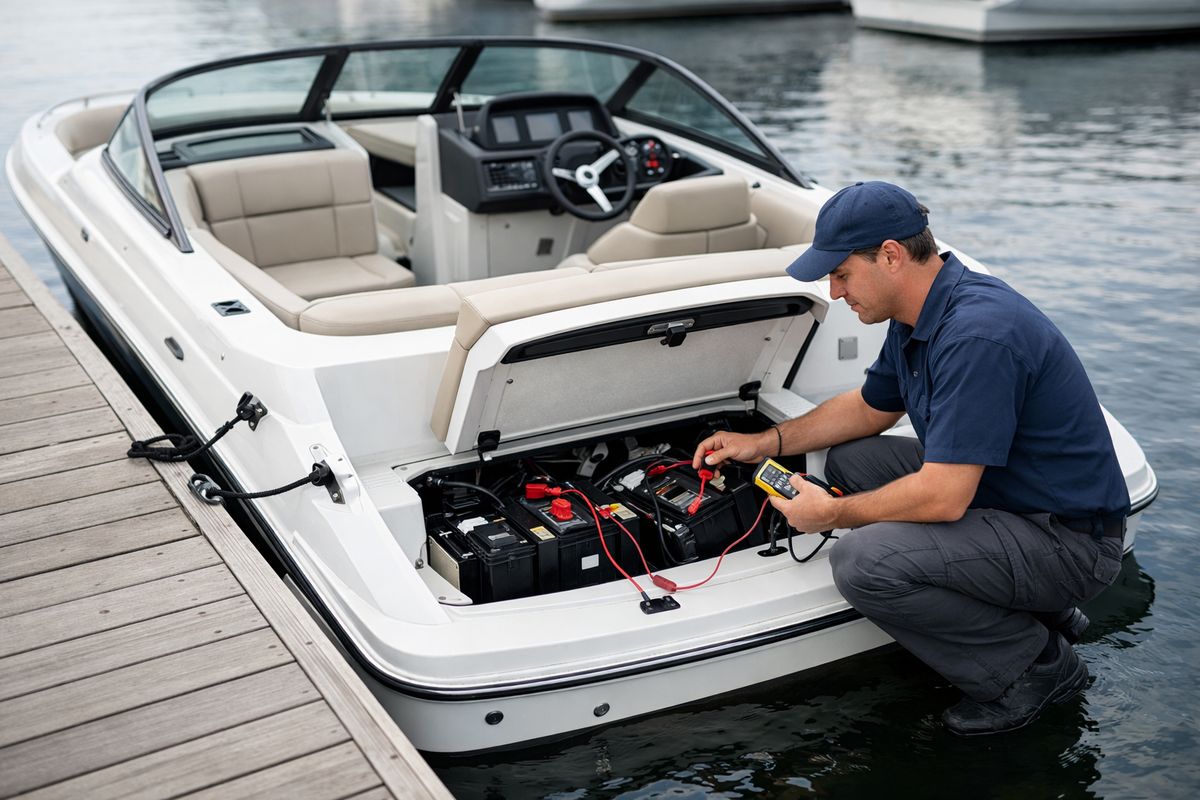
Electrical problems show up in all kinds of annoying ways. The engine cranks slowly. The dash lights flicker. Shore power trips. Pumps stop working. Cabin systems die even though the boat was fine last week.
A dockside visit can cover battery replacement, charging system checks, corroded terminals, bad switches, blown fuses, wiring faults, and shore power troubleshooting. Your house bank, meaning the batteries that run onboard systems when the engine is off, is often part of the story. On larger boats, one loose connection can act like a ghost in the machine.
Fuel system trouble
Fuel issues are common in Southwest Florida, especially after a boat sits through a hot stretch near Naples Bay. Bad fuel, clogged filters, water in the fuel, primer bulb problems, and weak fuel delivery can all make an engine run poorly or not at all.
Here is the thing: fuel problems often feel dramatic, but the root cause can be simple. In fact,
40% of marine engine failures are tied to poor fuel maintenance. Catching contamination or filter issues at the dock is a lot cheaper than finding out halfway to Keewaydin.
Cooling system and overheating repairs
Overheating is one of the most common dockside fixes because the cooling system has a lot of small parts that fail in very ordinary ways. An impeller wears out. A strainer gets blocked. A thermostat sticks. Water flow drops and the alarm starts yelling.
This is not a problem to ignore. A cooling issue that starts as a basic service call can turn into serious engine damage if you keep running it. That is why overheating alarms deserve attention right away, even if the boat still seems usable.
Pumps, bilge, and basic onboard systems
Some repairs are less dramatic but just as important. Bilge pumps, float switches, freshwater pumps, heads, livewells, and washdown pumps all affect whether your day feels easy or frustrating.
Bilge-related equipment also matters for safety and compliance. If your bilge system is unreliable, that is not a minor inconvenience. It is a problem worth fixing before the next stormy afternoon rolls through.
What Dockside Service Is Also Good For Before Something Breaks
The cheapest repair is almost always the one caught early at the dock. Dockside service is not just for emergencies. It is also one of the easiest ways to keep your boat from surprising you at the worst possible moment.
Routine maintenance and inspections
Oil changes, filter swaps, fluid checks, belt inspections, anode replacement, battery testing, and seasonal engine checks are all good dockside work. Honestly, this is where a lot of ownership stress disappears. You do not need to spend Saturday morning hunting for filters, getting greasy, and wondering if you missed something.
Routine work also makes up a huge share of marine service overall. Research shows
55% of mechanic hours go to oil and filter changes, which tells you something useful: boring maintenance prevents expensive excitement. If your schedule stays packed, a simple
maintenance rhythm that fits weekend use can save a lot of grief.
Electronics troubleshooting and upgrades
Modern boats carry a surprising amount of tech. GPS units, chartplotters, VHF radios, lighting, battery monitors, stereos, and accessory installs are now normal dockside requests.
It makes sense. Boats now carry more electronics than a kitchen junk drawer has random chargers. If something stops talking to something else, or you want an upgrade done cleanly, dockside service is often the easiest path.
Pre-purchase, survey, and post-survey repairs
Dockside work also comes up during a sale. Small corrections after a marine survey, punch-list items before closing, and follow-up fixes after purchase can often be handled without moving the boat. That matters because
45% of used boat sales need survey-related repairs before closing.
What Usually Cannot Be Fixed at the Dock
Dockside repair is useful, but it is not magic. Some jobs still need a haul-out or a shop.
Hull, fiberglass, and underwater damage
Structural fiberglass damage, bottom damage, shaft issues, prop damage, and anything below the waterline usually require dry access. Below the waterline simply means the parts that stay underwater while your boat is sitting normally.
If the problem involves the hull itself or hardware that cannot be safely reached in the water, hauling is usually the right move.
Major repowers and large rebuilds
Engine replacement, major transom repairs, extensive rewiring, and projects that need cranes, shop tools, or large parts staging usually go beyond dockside service. The dock is great for diagnosis and many repairs. It just has sensible limits.
What to Expect During a Dockside Repair Visit
A dockside visit usually starts with symptoms. What changed, what alarm showed up, what stopped working, and when it happened. After that comes access and basic testing, then repair if the cause is clear, then a run check or system test.
What helps the appointment go faster
A few details can save a lot of back-and-forth at 4 p.m. on a Friday: shore power access, gate or marina instructions, photos of alarms, engine hours, and a short note about what changed before the problem started. If the issue feels vague,
capturing the sequence of symptoms helps more than most owners realize.
When a same-day fix is realistic
Same-day fixes are realistic for many starting issues, battery swaps, pump problems, and minor fuel or cooling repairs, especially if the parts are standard and easy to reach. The catch is deeper electrical faults or delayed parts can stretch the timeline.
Why Busy Boat Owners Choose Dockside Repair
For owners in Southwest Florida, dockside repair is really about protecting time. Boats are supposed to make life better, not add another job to your calendar.
Less downtime, less logistics
If your boat is sitting ready near Caxambas Pass or Naples Bay, you want it usable, not waiting on transport plans. Dockside repair cuts out towing, avoids unnecessary haul-outs, and keeps the service process simple. Considering the
25-mile average distance to a preferred repair shop, that convenience is not small.
A better fit for ongoing care
Larger boats especially benefit from recurring attention. On vessels over 40 feet, standing service support is much more common because it catches issues early and reduces ruined weekends. That approach fits owners who want the boat ready when the weather is good, period.
Common Questions About Dockside Boat Repair
Is dockside repair more expensive than taking the boat to a shop?
Sometimes there is a trip charge, but dockside service often saves money overall by avoiding towing, haul-out fees, and lost time. For many common problems, convenience is not a luxury. It is the cheaper option.
Can dockside repair help if the boat will not start at all?
Yes, in many cases. Battery failure, charging issues, ignition faults, fuel delivery problems, and electrical faults can often be diagnosed and repaired on site. If the issue is more serious, the dockside visit still helps identify the right next step.
How do you know if your boat needs dockside service or a haul-out?
Use a simple rule. If the problem is mechanical, electrical, fuel-related, cooling-related, or tied to onboard systems, dockside is often the first call. If it involves the hull, prop, shaft, or underwater damage, haul-out is more likely.
What should you do before booking a dockside repair call?
Write down the symptoms, take a photo of any alarm or leak, and get your boat make, model, and engine info ready. That small bit of prep makes the visit faster and usually more accurate.
When dockside repair makes the most sense
If the boat is where you use it, and the problem is above the waterline or tied to systems that can be tested in place, dockside repair is usually the smartest first move. Try that first before turning a fixable problem into a transport problem.